

In current years, crime reporting has captured our attention like never before. From sensational murder circumstances to mysterious disappearances, the media has become a powerful platform for shedding light on the dark underbelly of society. It supplies a window into the lives of perpetrators and victims, permitting us to discover the intricate internet of secrets and techniques and motives that lie behind these heinous acts.
One such case that has gripped the nation is the disappearance of Natalee Holloway. The haunting story of this younger woman who vanished with no hint while on a highschool graduation trip to Aruba has sparked worldwide intrigue. Despite the relentless efforts to uncover the truth, the mysteries surrounding Natalee's whereabouts persist, leaving her family members and the world desperate for solutions.
Another name that has turn out to be synonymous with crime reporting is Joran van der Sloot. His alleged involvement in Natalee Holloway's disappearance thrust him into the highlight, however his story does not finish there. Van der Sloot's subsequent felony activities and his connection to the dying of Stephany Flores, a younger Peruvian lady, have solely deepened the fascination round his twisted persona.
Within the realm of crime reporting, stories like Natalee Holloway and Joran van der Sloot's often overshadow lesser-known cases that deserve equal consideration. Carlee Russell, a young aspiring actress who fell victim to a violent crime, is one such instance. While her story may not have garnered the identical degree of media frenzy, it serves as a stark reminder that each life misplaced to crime holds inherent worth and deserves justice.
As we delve into the shadows of latest crime reporting, it is essential to discover past the headlines and capture the essence of those instances. By peering into the lives of those involved and examining the larger societal implications, we can acquire a deeper understanding of the intricate tapestry of criminality. Only then can we attempt for a greater future where the darkness is gradually diminished, paving the means in which for hope, justice, and therapeutic.
Inadequacies in Crime Reporting
Recent crime reporting has make clear quite a few inadequacies within the system. One prominent case that highlights these deficiencies is the disappearance of Natalee Holloway. Despite extensive media coverage and public curiosity, the investigation failed to provide conclusive solutions about her whereabouts. This lack of closure left both her household and the public grappling with uncertainty and pissed off by the shortcomings of crime reporting.
Another case that exemplifies the flaws in crime reporting is that of Joran van der Sloot. Accused of involvement in Natalee Holloway's disappearance, van der Sloot was never convicted regardless of vital proof implicating him. This failure to convey the perpetrator to justice erodes trust within the effectiveness of crime reporting and the judicial system as a whole.
Furthermore, the case of Carlee Russell exposes vulnerabilities within the reporting course of. Despite being reported lacking, it took a number of days for her disappearance to garner significant attention from regulation enforcement and the media. This delayed response raises questions concerning the urgency and prioritization given to certain circumstances, particularly those involving marginalized people.
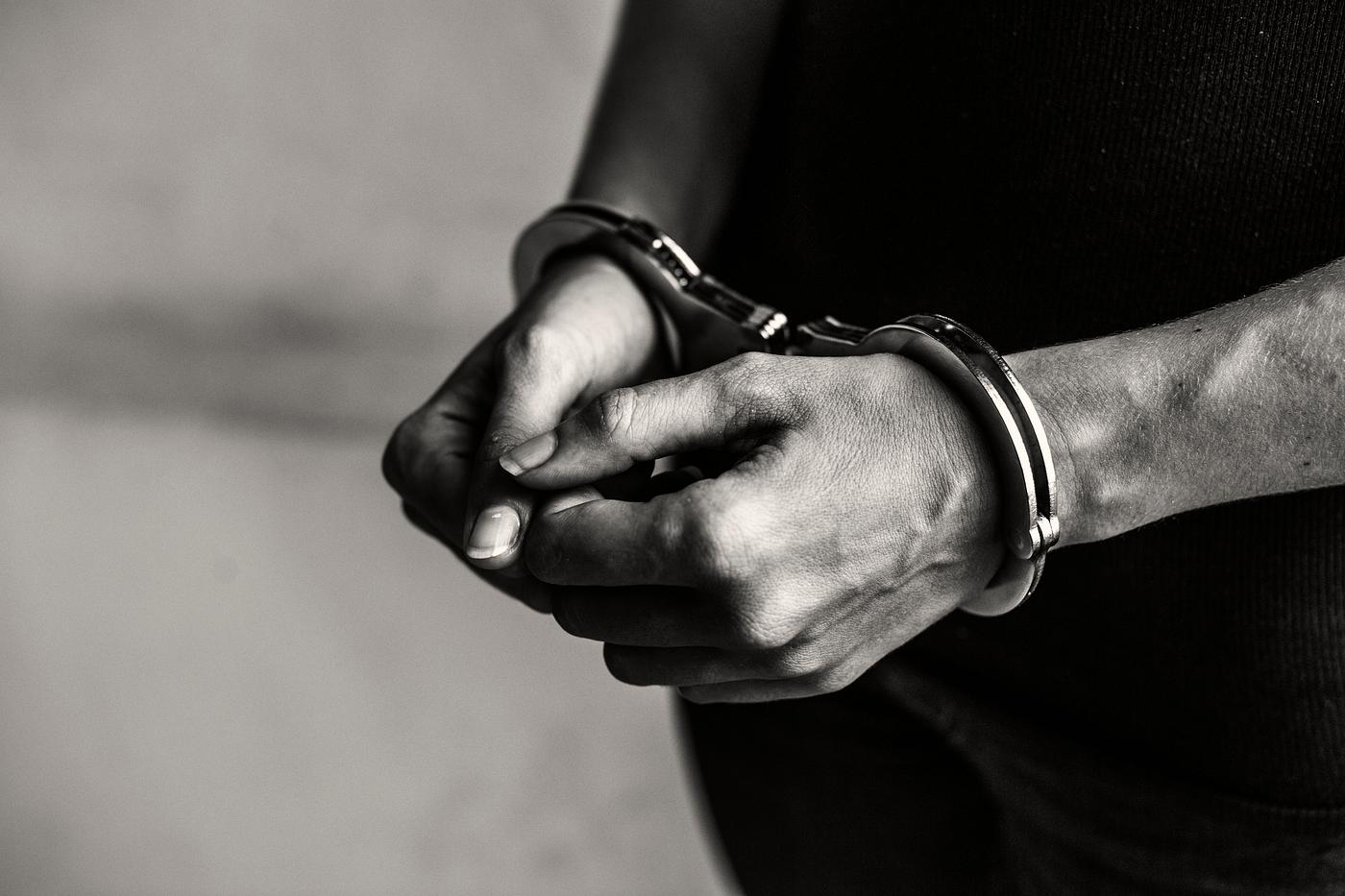
The inadequacies in latest crime reporting are evident in these instances, highlighting the necessity for reforms and improvements within the system. Without addressing these issues, society will proceed to grapple with the consequences of unresolved crimes and the resulting loss of religion within the justice system.

The Natalee Holloway Case: Uncovering the Truth
Natalee Holloway's disappearance in 2005 sent shockwaves through the media and captured the eye of people worldwide. This high-profile case revolved around the 18-year-old American pupil who vanished throughout a visit to Aruba, resulting in a relentless search for answers and justice.
Joran van der Sloot, the prime suspect in Natalee's disappearance, rapidly got here under scrutiny. The media carefully adopted the occasions surrounding this perplexing case, fueling speculation and public intrigue. Van der Sloot's conflicting statements and questionable habits solely added to the basic public's obsession with uncovering the reality.
Despite the intensive coverage, the case took quite a few twists and turns and left many questions unanswered. felix verdejo wife chad boyce Natalee's physique was by no means found, and concrete proof linking van der Sloot to her disappearance was elusive. As journalists, it's crucial to carefully analyze the details offered and distinguish them from sensationalized narratives that can cloud the truth.
In recent years, the Natalee Holloway case has resurfaced with new developments, reigniting hope for solutions and closure. True-crime podcasts, documentaries, and ongoing investigations have shed fresh gentle on this enduring thriller. We should method these updates with caution, ensuring that we separate truth from hypothesis and maintain journalistic integrity in the pursuit of fact.
By examining the complexities of the Natalee Holloway case, we can achieve insights into the challenges faced by journalists when reporting on crimes. The duty lies with us to offer the general public with correct and goal information, difficult prevailing narratives and constantly in search of the truth, even when it might appear concealed in shadows.
Impact of Media on Crime Reporting
The portrayal of crime in latest media coverage has had a significant impression on the finest way crime incidents are reported and perceived by the public. eugene louis jocques With the arrival of digital platforms and 24-hour news cycles, the media has played an important position in shaping public opinion and influencing societal attitudes in course of crime.
Firstly, media coverage has the power to sensationalize crime incidents, specializing in surprising and emotionally charged narratives. This can result in a distorted perception of the general crime rates, as isolated incidents are magnified and offered as representative of the broader image. The intense focus on high-profile circumstances, such as the disappearances of Natalee Holloway and Carlee Russell, often overshadow different crimes and create a skewed notion of the true extent and nature of felony actions.
Moreover, media protection has the potential to perpetuate stereotypes and biases, significantly in relation to race, gender, and social class. Certain crimes receive extra consideration and are framed in a way that reinforces current prejudices and societal divisions. This not only distorts the common public's understanding of crime but in addition perpetuates discrimination and injustice inside the legal justice system.
Lastly, the immediacy and accessibility of digital media platforms have created a phenomenon generally known as the "trial by media." In high-profile circumstances like that of Joran van der Sloot, the media protection and public discourse can reach a fever pitch, intensifying scrutiny and infrequently resulting in prejudgment earlier than a good trial takes place. This can compromise the legal course of and the rights of the accused while also doubtlessly influencing public notion and attitudes in course of the result of the case.
It is crucial for media retailers and customers alike to be aware of the influence media protection can have on crime reporting. By striving for balanced and accountable journalism, the media can play a constructive position in fostering a more accurate understanding of crime and its impact on society.